How Art Bridges Cultural Gaps in Diverse Communities
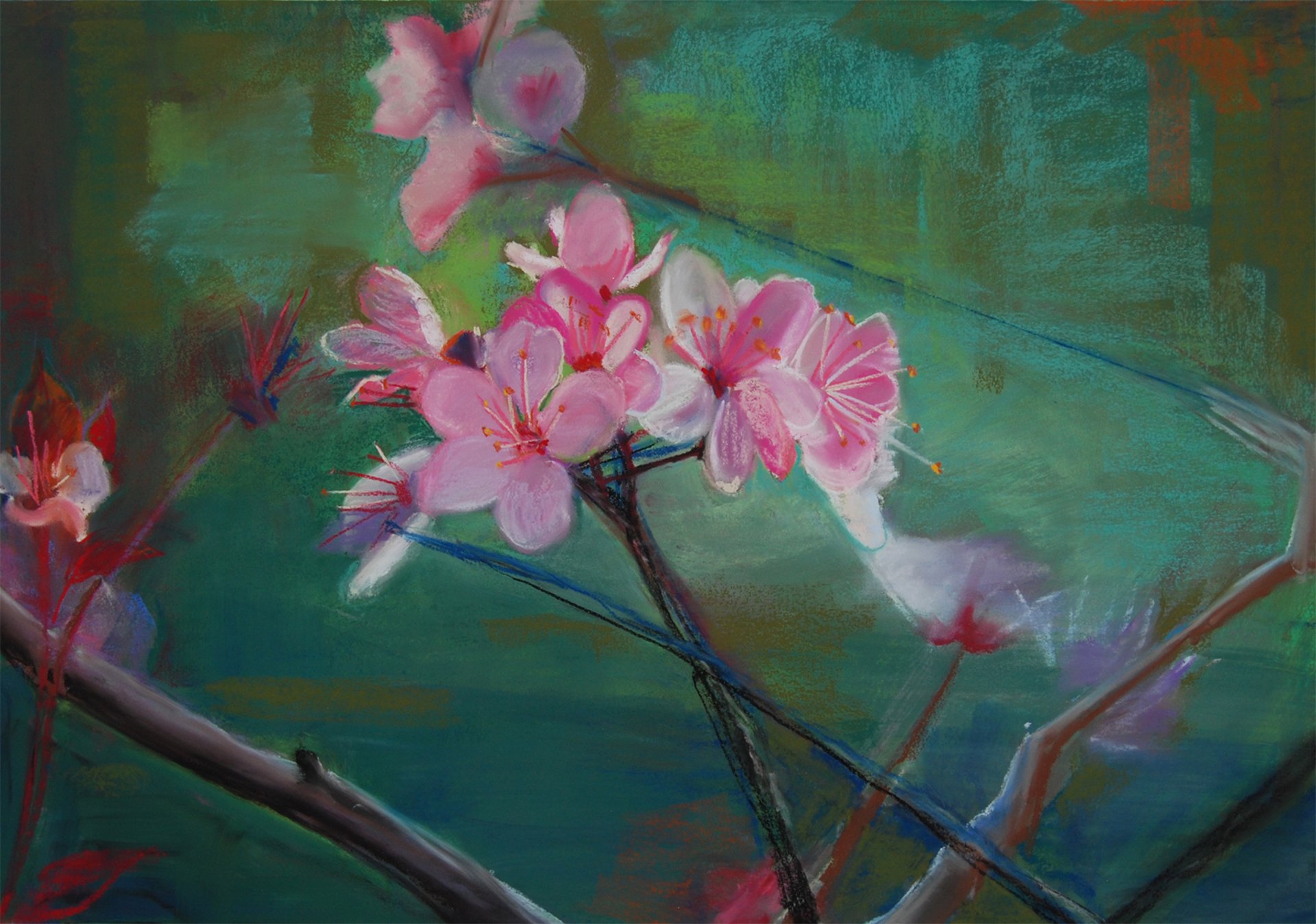
Heidi Hardin. 2014. Plum Blossoms/Valentine’s Day 2010, 1:28 pm, SF, CA, Pastels on Sanded Paper, 18.5” x 26.5”
It often begins with a small act: a child holding a paintbrush. A parent pauses in front of a mural wall. Neighbors from different backgrounds exchange uncertain smiles over shared trays of color. At Think Round, we have seen these quiet creative moments become the first threads in a tapestry of connection.
In one mural workshop at Hunters Point, three generations of neighbors gathered around the same wall—children painting bright shapes beside grandparents who had lived in the neighborhood for decades. Some spoke different languages. Some had never spoken to one another before. Yet by the end of the afternoon, the wall carried not only color but also laughter, conversation, and a growing sense of familiarity. Art created a meeting place where words alone might not have been enough.
Art as a Shared Language
Art has a unique ability to transcend barriers that often separate people. Through decades of work with children, families, artists, and educators, we have witnessed how painting, storytelling, movement, and music allow people to communicate emotions, memories, and identity across cultures and generations.
In our experience, creative expression often reaches people more gently than direct conversation. It invites participation rather than debate. A drawing, a shared mural, or a storytelling exercise can create space for curiosity and mutual recognition in ways that feel natural and human.
Programs That Foster Connection
Think Round’s programs are grounded in this belief that creativity builds relationships. The Children’s Mural Program at Hunters Point has long brought families, artists, and young people together to imagine and create collectively. The process itself becomes an act of community-building.
We have seen children proudly explain symbols from their heritage while painting beside classmates from entirely different cultural backgrounds. We have watched parents begin conversations and help their children mix paint or sketch ideas together. These small interactions matter. Over time, they help transform unfamiliarity into trust.
Projects such as The Human Family Tree and A Walk Through Paradise further deepen this work by exploring shared ancestry, migration, and interconnectedness. These projects remind participants that human history has always been shaped by movement, exchange, and relationship. Differences remain important, but they exist within a larger shared human story.
At Think Round, our philosophy is rooted in a simple but profound belief: Earth is home. Humans are family. Through creative experiences, we invite people to see themselves not as isolated groups, but as connected participants in a shared world.
Creating Inclusive Spaces
From our experience, the environment itself plays an important role in cultural connection. Studios, galleries, mural walls, and immersive creative spaces can either invite participation or reinforce exclusion.
We work intentionally to create spaces where people feel welcomed, visible, and respected. This may mean providing multilingual materials, honoring cultural traditions within projects, or simply creating environments where children and adults feel safe enough to express themselves openly.
When people feel respected, they become more willing to listen, share, and engage across differences.
Storytelling Through Creativity
Art also allows communities to tell stories that might otherwise remain unheard.
We have seen children use visual symbols to express family histories and cultural traditions. We have watched neighbors contribute personal memories to collaborative murals that reflected both struggle and hope. In one workshop, a grandmother quietly began teaching nearby children traditional patterns from her homeland while they painted together. By the end of the session, the children were proudly incorporating those designs into the larger mural.
These moments do more than produce artwork. They create opportunities for recognition and exchange. People begin to understand not only one another’s experiences but also the emotions and histories carried beneath them.
Families and Community as Foundations
Family participation remains central to Think Round’s work. In our experience, when families create together, relationships strengthen in meaningful ways. Shared art-making encourages listening, cooperation, and emotional connection across generations.
These experiences also ripple outward into schools and neighborhoods. Children who feel pride in their family stories often become more open to appreciating others' stories.
Communities become stronger when cultural identity is celebrated rather than hidden.
Creativity as a Pathway to Healing and Connection
Art does not erase division or difficulty. But it creates conditions where healing, understanding, and connection become more possible.
Again and again, we have seen creativity help people move beyond isolation. Shared artistic experiences encourage empathy because they allow individuals to witness one another’s humanity directly—not through labels or assumptions, but through expression, imagination, and participation.
In this way, art becomes a bridge not only between cultures but also between generations, experiences, and ways of seeing the world.
The Power of Shared Creativity
At Think Round, we continue to witness how collective creativity opens space for relationships and understanding. At Think Round, creativity fosters belonging and bridges cultural gaps, helping communities become more connected and resilient. Each shared creative experience becomes an opportunity to see one another differently—not as strangers, but as fellow participants in a shared human story.
Sometimes those moments begin in unexpected ways. A child accidentally splatters paint onto another child's picture. There is a pause, a look of surprise, and then laughter. As the children paint images of the Earth, a teacher jokes, "Hey! Mind your own planet!" Suddenly, their eyes widen. The idea takes hold. They begin imagining themselves as creators of worlds of their own making, each contributing something unique to a shared canvas.
At Think Round, we have seen moments like these become bridges—between cultures, generations, histories, and lived experiences. Through art, people discover not only what makes them different, but also what connects them. Earth is home. Humans are family. Sometimes the path toward understanding begins not with a speech or a debate, but with a drop of paint landing exactly where it was never meant to go, helping people discover that something unexpected, difficult, or imperfect can still become meaningful, beautiful, and connected.